

Poverty Keeps Girls out of School
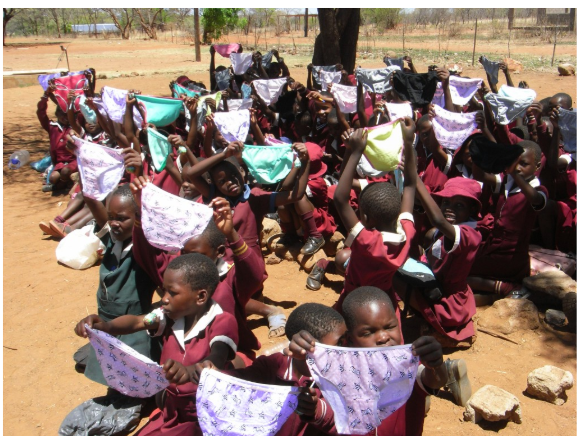
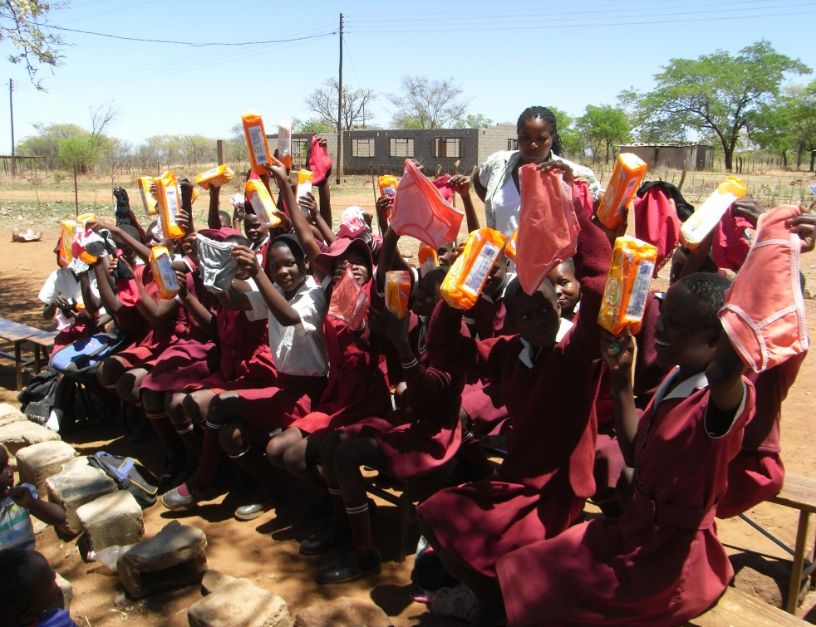
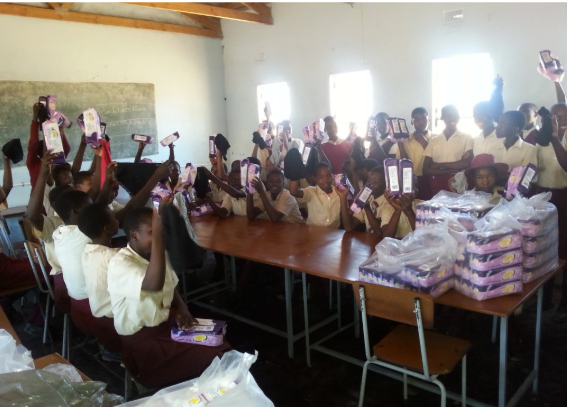
Our long standing partnership with SI Bulawayo ensures girls and teachers in a rural Zimbabwean school receive the sanitary protection they need to attend every day. Younger children receive underwear.
Education Continues Futures Stay Open
Knickers for Knowledge
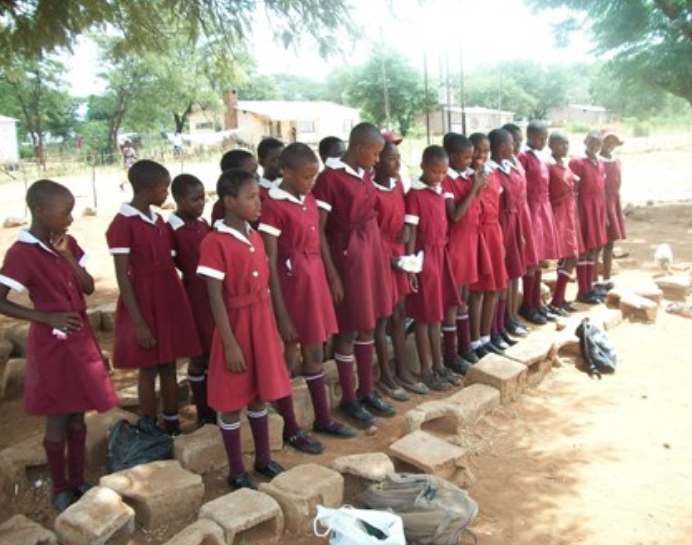
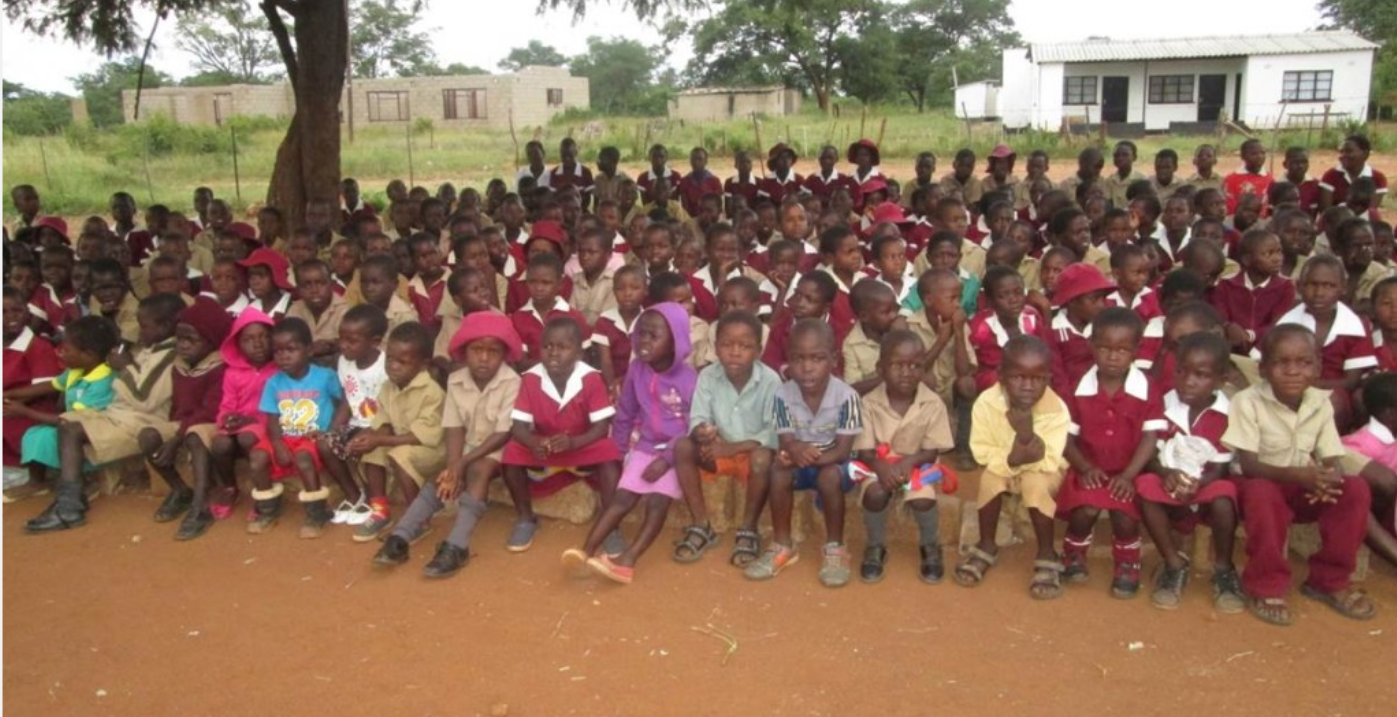
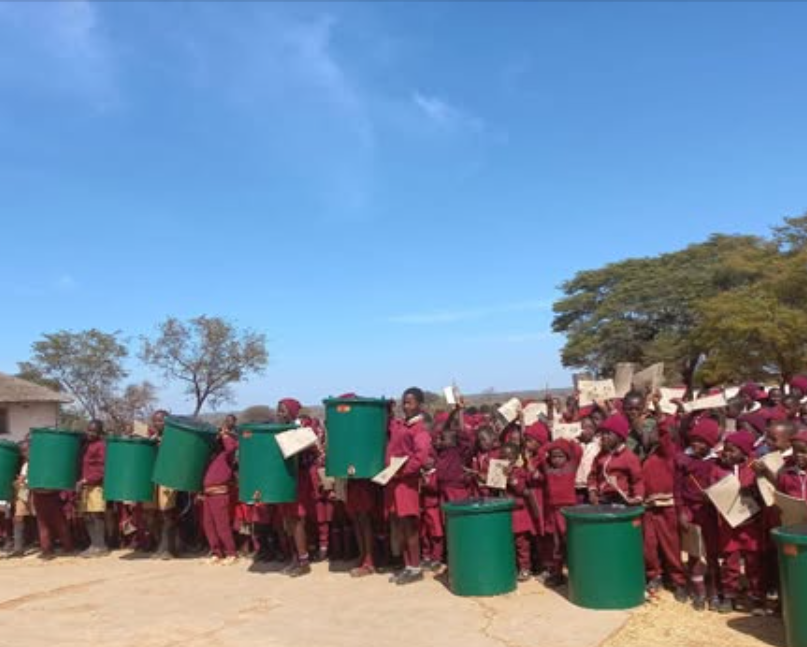
Gallery of photographs of the project which we have been running with SI Bulawayo for many years .Club members Vanessa and Irene have both visited the club in Bulawayo a number of times and seen the project in action.
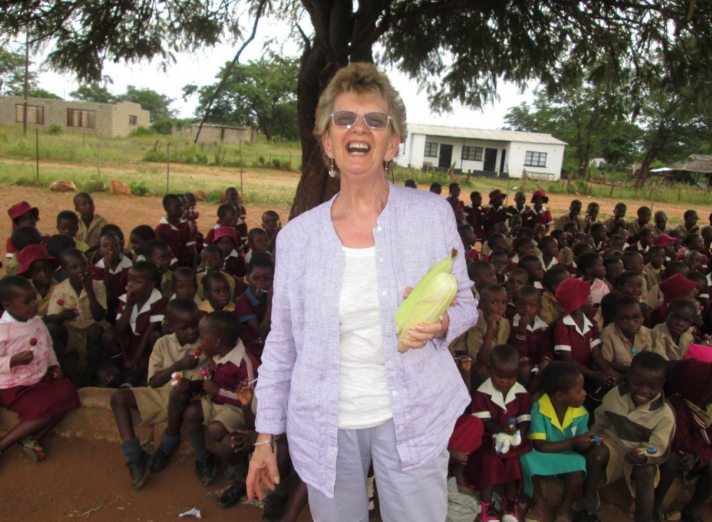 Irene visiting the project
JOIN US
Vanessa's account of the K4K Project
Knickers for Knowledge
The project was born out of our Club looking at how best to address the Soroptimist International long-term theme, ‘Education and Leadership’, which had been launched at the 2010 Montreal Convention.
Research by members resulted in our decision to concentrate on the access to education of girls in Africa, through our Friendship Link Club since 1982, SI Bulawayo in Zimbabwe.
We learned that, for girls, school attendance dropped by four days a month during menstruation, equating to a loss of 156 learning days through high school years.
The lack of privacy offered by the communal toilets and unreliable water supplies played a part in the girls’ non-attendance of school, but inadequate sanitary protection seemed to be the main barrier to constant education and full participation in class, during menstruation.
The protection being used included rags, newspaper, leaves and cow dung, often resulting in accidental leaks which led to girls being teased, and with the only option for those with no access to these materials being to remain at home for the duration of their cycle.
Members’ first thoughts were to research the possibility of sending knickers to SI Bulawayo to distribute, but this was then considered to be, perhaps, culturally inappropriate and, following the results of a questionnaire completed by SI Bulawayo when a member of our Club visited them, monetary support for the purchase of sanitary wear was considered the easiest and most secure option.
A strap-line ‘Knickers for Knowledge’ had been suggested by a member and, following the Club’s agreement to adopt this, we had it protected by copyright, as we did the logo on a leaflet that we had produced. The leaflet detailed the project and how we intended to fund our revised plan, which was to collect textiles and to sell them for recycling.
The public and other Soroptimist clubs have been so generous that we are now in a position to help further and, whilst purchasing and distributing the sanitary protection to schools in and around the Bulawayo area, the members there have been researching other, longer-term options.
Two machines, specific to the production of sanitary towels, have been identified in India, with one of those using wood pulp and the other cotton. Sadly, the replacement cost of the raw materials has become out of our reach so the idea of the machines has had to be shelved.
Instead, the members here have agreed to fund everything that the children need – other than text books that their Government is obliged to provide – in the rural schools that SI Bulawayo members support. This can be anything from water storage-tanks to netballs to rulers to pens and pencils, and anything in between, and, of course, includes sanitary-ware and underwear for the girls! In fact, everything that the students need to assist them in achieving an education. This change of direction is acceptable within the wide terms of our Small Charity Constitution* (see below).
We will continue with the project for the foreseeable future, as we feel humble that we, as a group, can make such a difference to women and girls by helping to Educate, Empower and Enable them to make changes to their lives.
The involving of the public has raised our profile locally, and the benefits of the project far outweigh the effort put in, which mostly involves the collecting of goods and its storage, awaiting its sale.
*With such generosity being shown, both by way of donations and of textiles, the need for transparency is of paramount importance and we are governed by a Small Charity Constitution, with the whole Club being ‘members’ and with some individual members becoming Trustees.
We are pleased that we are able to work on the project as Soroptimists with Soroptimists, but have learned not to be precious about the project and plans for its future, although we aim to protect and to manage it to the best of our ability.