

Bollard topper display for International Women’s Day 2027
Having seen the bollard toppers that decorate the village, all 23 of them, we imagined a display for International Women’s Day. Titchfield Yarnbombers are on board and enjoying the challenge!
Between us we have decided on the women we want to celebrate, and will announce one each week between now and March 2027. It’s a countdown of 23 weeks, with 5 queens, 3 athletes and 6 scientists, along with 9 others who are famous for all sorts of reasons: some were activists, for Human Rights or climate change, but we also have a pilot, an artist, a singer/songwriter, an author and a nurse.
Our iconic women…
 Helen Sharman
 Frida Kahlo
 Simone Biles
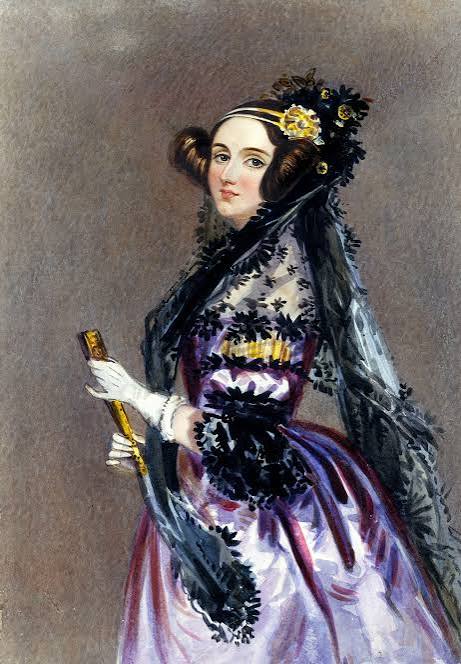 Ada Lovelace
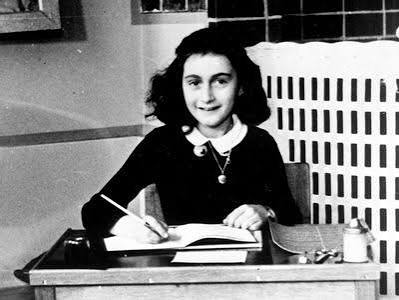 Anne Frank
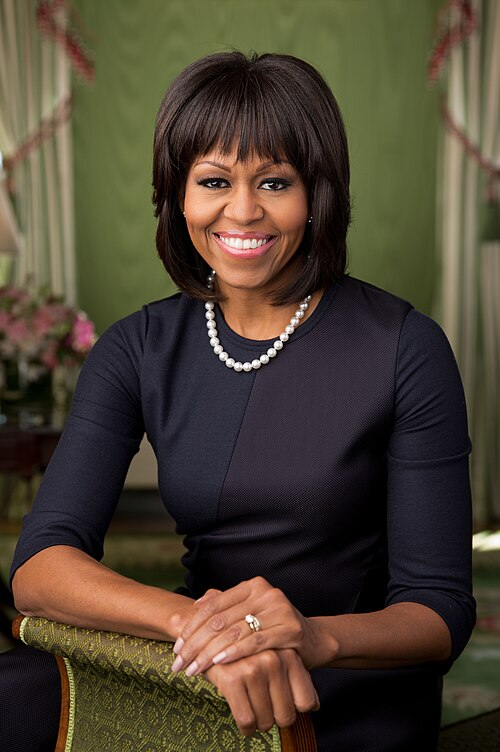 Michelle Obama
 Jane Goodall
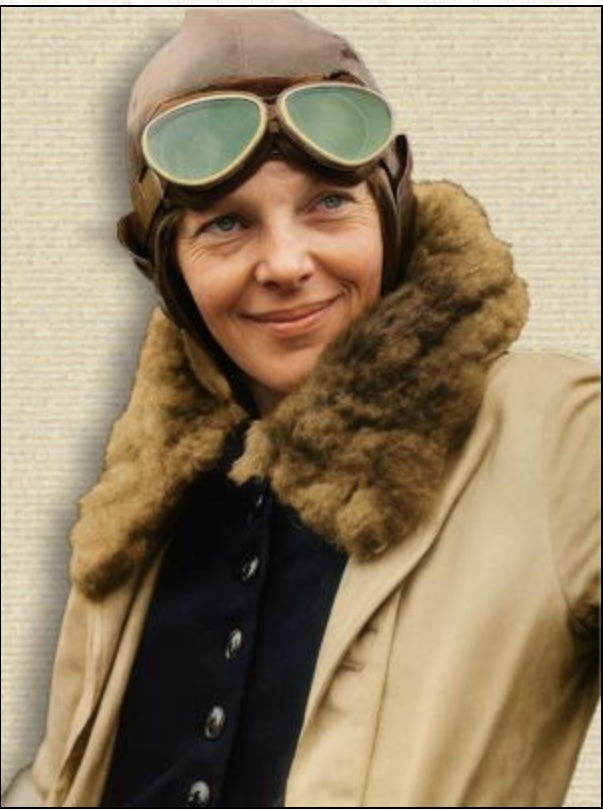 Amelia Earhart
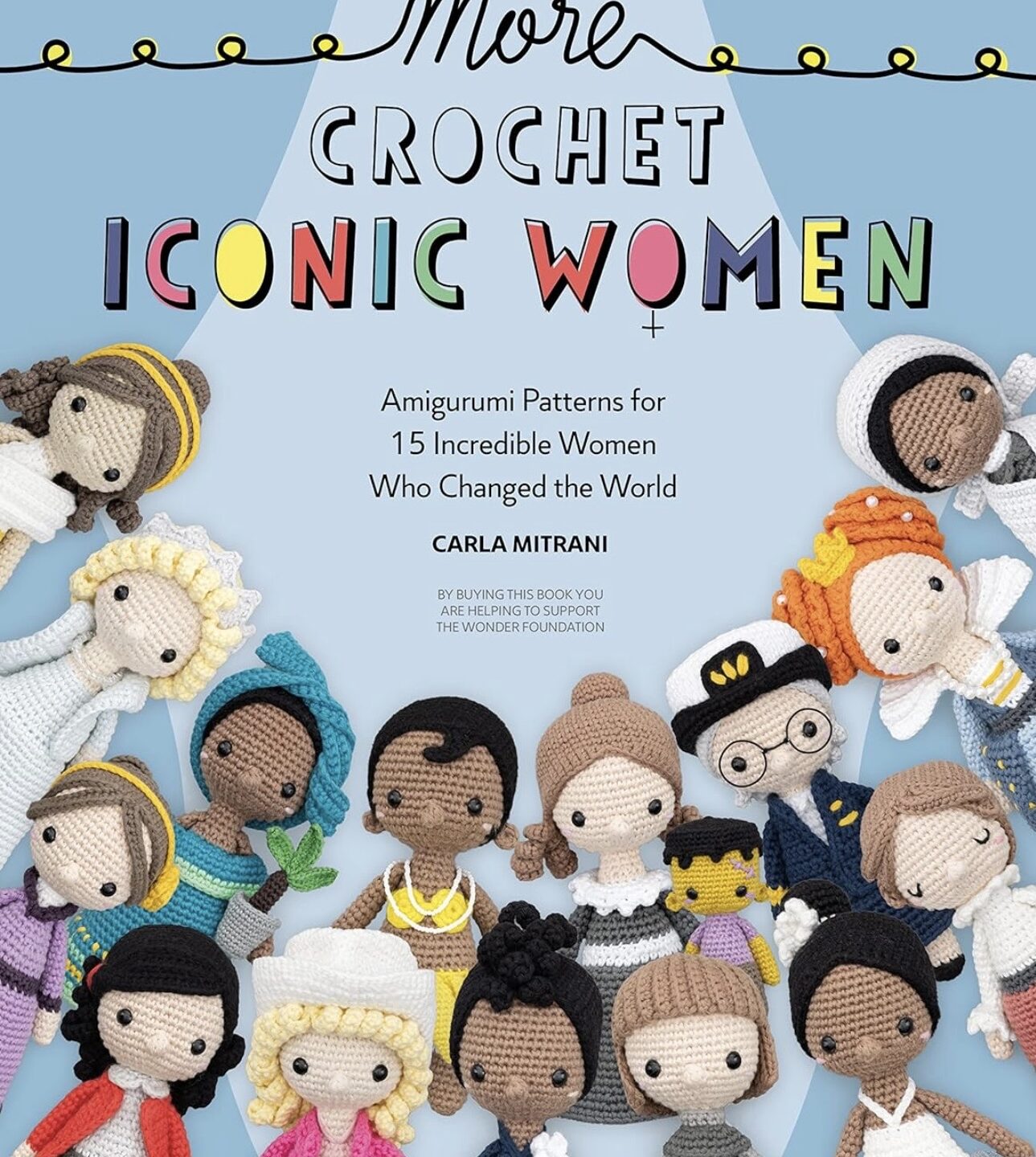
Iconic Women biographies
The final announcement.
The announcement for week 22.
- The announcement for week 21.
The announcement for week 20.
The announcement for week 19.
The announcement for week 18.
The announcement for week 17.
The announcement for week 16.
The announcement for week 15.
The announcement for week 14.
The announcement for week 13.
The announcement for week 12.
The announcement for week 11.
The announcement for week 10.
The announcement for week 9.
Amelia Earhart, (1897 – 1937) was known as “Queen of the Air”. She was the first female to fly solo across the Atlantic, and only the second person to do it! In World War I, Amelia worked in Toronto, nursing aircraft pilots who had been fighting. She was fascinated by their stories and determined to fly. She became the first woman to fly to 14,000 feet, to cross the Atlantic solo & set many records. She was appointed Technical Advisor to the Department of Aeronautics at Purdue University in 1935, an amazing achievement for a woman. In 1937 she set off for a world tour; the plane went missing and was never found.
Dr Valerie Jane Morris-Goodall DBE (1934 – 2025) was an English primatologist and anthropologist. As a child she sketched birds, watched earthworms, observed insects and dreamed of living in Africa. When Jane Goodall ventured into the forests of Gombe, few could have predicted she would change science forever. In 1965, without a formal undergraduate degree, Jane earned a PhD in ethology from Cambridge University. In 1977, she founded the Jane Goodall Institute (JGI), combining research with a powerful new vision: that protecting animals must include supporting the people who live alongside them. Even into her 90s, Jane continued to be one of the most influential voices in conservation – she travelled up to 300 days a year sharing stories, raising awareness, and inspiring millions.
Michelle LaVaughn Robinson Obama is an attorney, author and the first African American woman to be First Lady, when her husband Barrack Obama became US President from 2009-2017. She had met him whilst working as an attorney in Chicago. As First Lady she championed the initiative to solving childhood obesity and encouraging healthy eating. She also advocated motivating young people to seek higher education and training programmes, as well as being involved in helping adolescent girls worldwide have access to quality education. She was a great supporter of military families. Since leaving office Michelle has continued to work, with her international advocacy dedicating funding to empower young women through education. She has published various books, including one that offered insights into handling difficult times, using her own personal experiences as examples.
Anne Frank was born in 1929 in Germany, a member of a Jewish family. In 1939 the family moved to Amsterdam to escape the Nazis. Anne had a happy home life and wanted to become a journalist. After the Nazi invasion of the Netherlands however, life for Jewish people became increasingly difficult. In 1942 the Frank family, Anne, her sister Margot and their parents, went into hiding in the annexe of a large house which is now a museum. Anne used her diary to describe their day to day life, and her thoughts about life in general. The family was discovered in 1944. Anne and her sister were sent to Auschwitz-Birkenau and to Bergen-Belsen in 1945, where they both died. Anne’s diary was later discovered by chance and published.
Ada Lovelace (1815-1852) first met Charles Babbage in June 1833 and he invited her to see the prototype for his difference engine. She became fascinated with the machine and visited Babbage as often as she could. Babbage was impressed by Lovelace’s intellect and analytic skills. She believed that intuition and imagination were critical to effectively applying mathematical and scientific concepts. She valued metaphysics as much as mathematics, viewing both as tools for exploring “the unseen worlds around us”. In her notes, Ada Lovelace emphasised the difference between the Analytical Engine and previous calculating machines, particularly its ability to be programmed to solve problems of any complexity. For this, she is regarded as the first computer programmer.
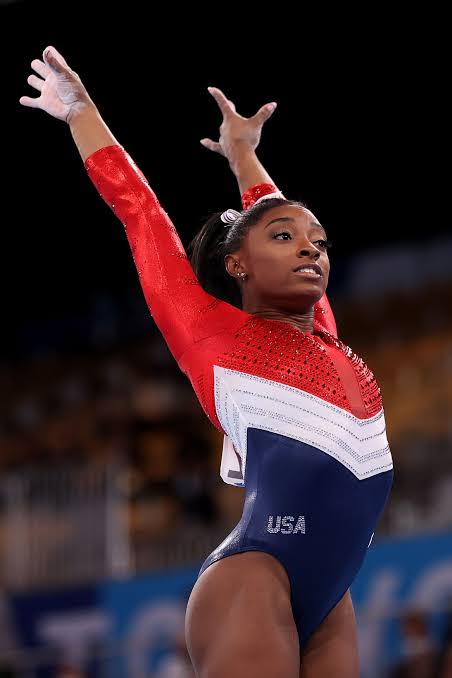
Simone Biles is widely regarded as one of the greatest gymnasts of all time and one of the greatest female athletes in history. Her 11 Olympic medals and 30 World Championship medals (all but seven gold) make her the most decorated gymnast in history. She also has the most Olympic medals earned by a US gymnast. In 2024, Simone became the fourth American female artistic gymnast to compete at three Olympic Games. She has won numerous prestigious awards for her gymnastic achievements. In 2025, at the annual US Excellence in Sports Performance Awards, Simone received the Best Championship Performance award and Best Female Athlete award.
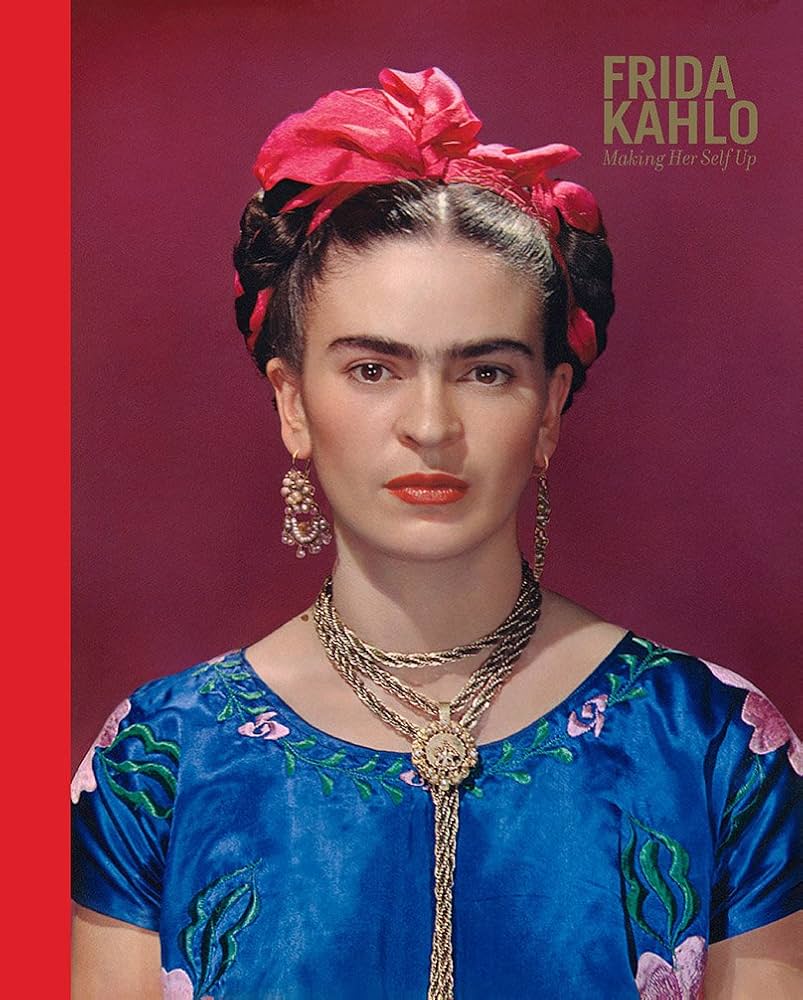
Frida Kahlo (1907-1954) was a Mexican artist and socialist. She was disabled by poliomyelitis and a traffic accident but used her problems to fuel her art. She stressed her Mexican identity by wearing brightly coloured traditional clothing, in itself a protest against the erosion of national and female identity. Her bright pictures show animals, birds, local fruit and a large number of self-portraits, many of which depict her physical problems as well as her choice of traditional costume. She was re-discovered in the 1970s after her death when she was seen as a female icon of feminism, political activism and the importance of national identity.
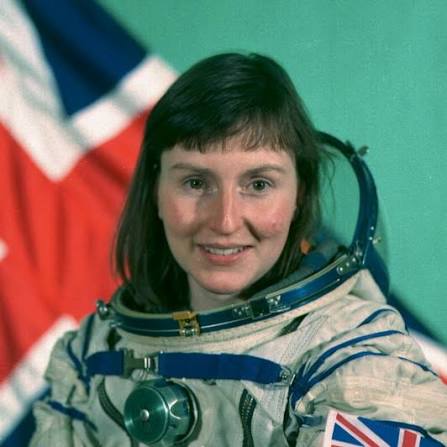
She counts as a scientist because she studied chemistry at Birkbeck College, London. She applied to a job advert on the radio that said: “astronaut wanted: no experience necessary”. Helen’s scientific background, her aptitude for foreign languages, and her high level of fitness helped her beat nearly 13,000 other applicants. She launched on Project Juno in 1991 and spent 8 days on the Mir space station, as the first British astronaut. While in space, she ran various biological experiments and investigated crystal growth in microgravity as well as chatted with British school children over amateur radio.