

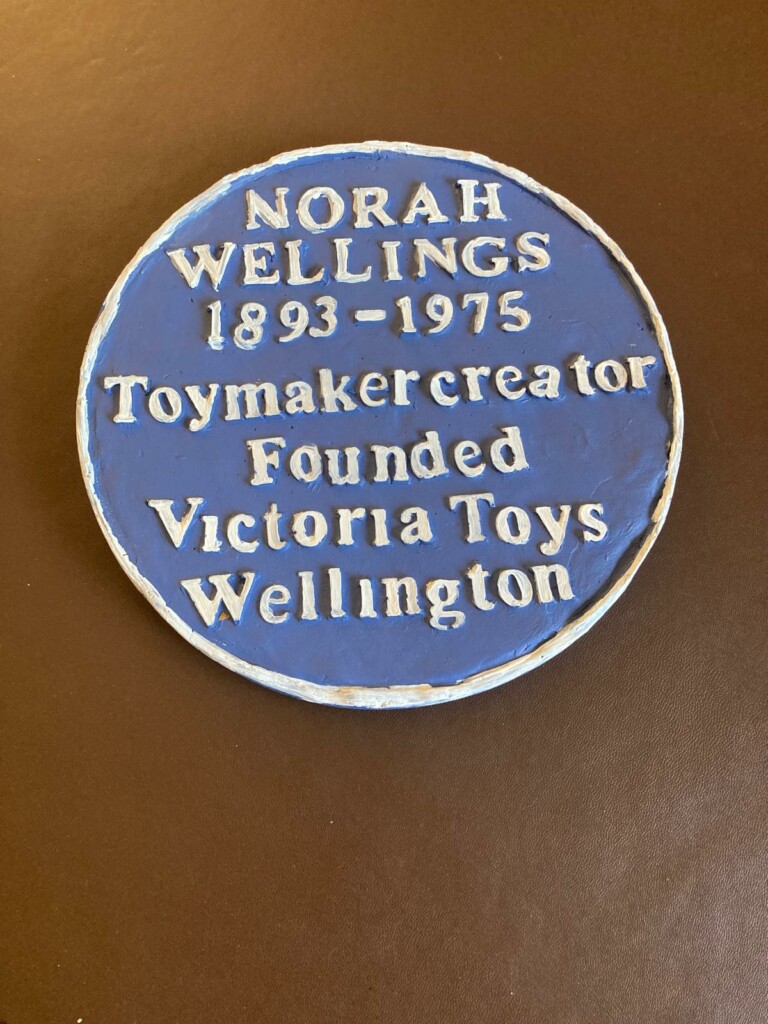
Rosies Plaque Project – To Celebrate Local Women of Note
Rosie’s Plaques,(https://rosiesplaques.com/).
Rosie’s Plaques are handmade tributes, created to honour notable women who have yet to be recognised by the official Blue Plaque scheme (Rosie’s Plaques). SI the Wrekin has chosen three women with local ties whose achievements deserve celebration. Growing up in an era when women were expected to marry and raise families, these individuals instead forged unique paths and excelled in Education, Politics, and Business.
- Lalage Bown OBE
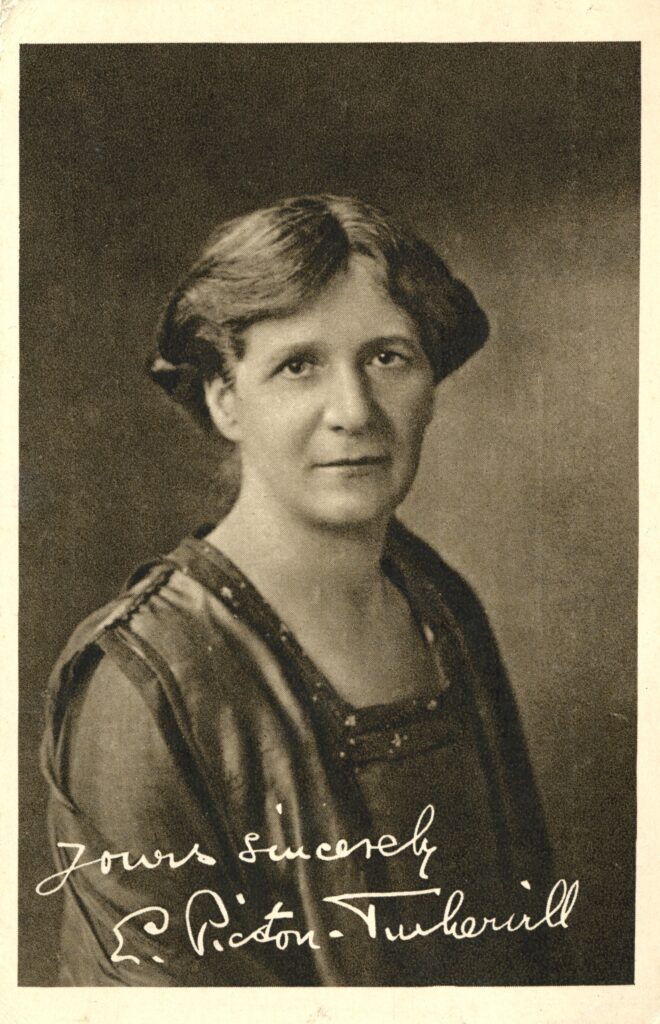
- Edith Picton-Turbervill OBE
- Norah Wellings.
Lalage Bown OBE (1927-2021)
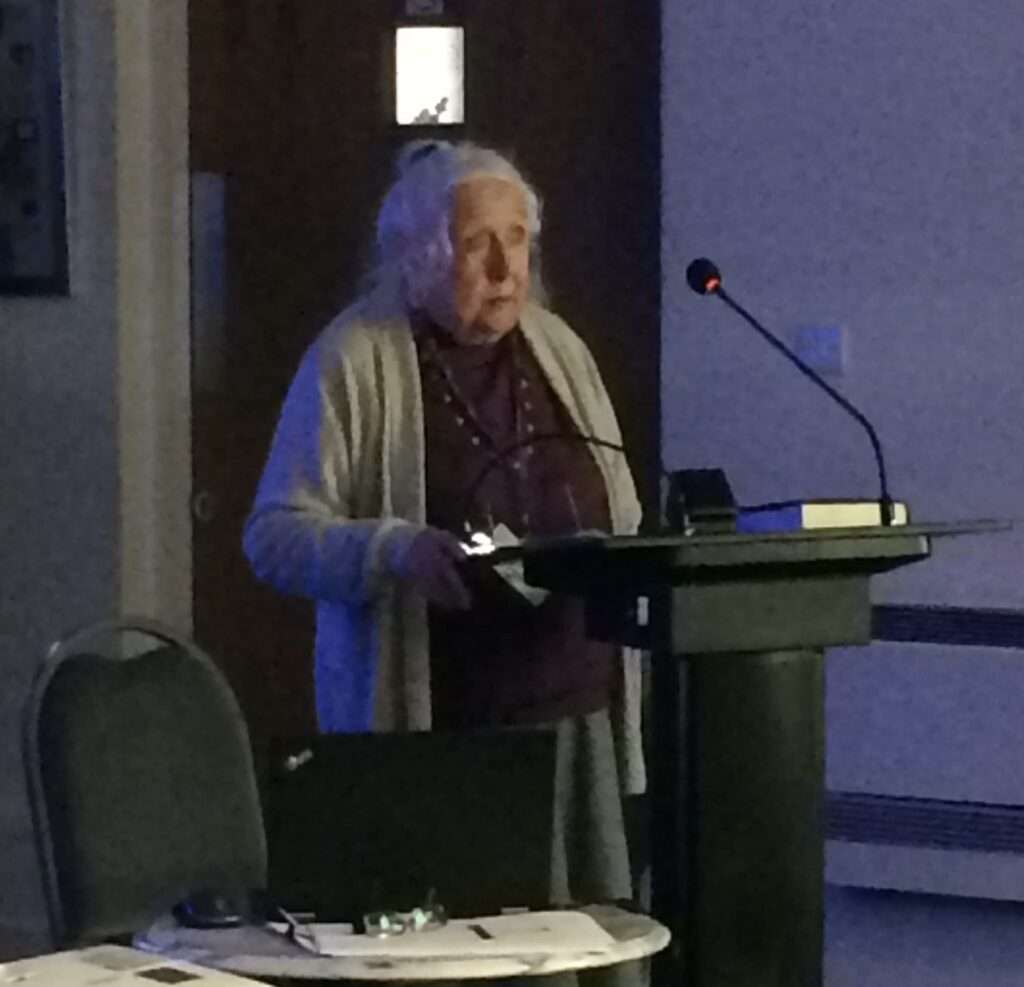
Lalage was a British educator who spent much of her life working in Africa and reshaping how people thought about adult education. After finishing at Oxford, she left her comfortable environment in 1949 for the more challenging terrain of Africa. When interviewed for a resident tutor post at the University College of the Gold Coast she was asked “Now, Miss Bown, supposing you were to get the job and you were in the jungle when the car broke down, how do we know you wouldn’t have a fit of hysterics?” She simply replied “Well sir if you don’t give me the job, you’ll never find out, will you?” This was the start of a career that would take her to Ghana, Nigeria, Sierra Leone, and Zambia.
Her passion was always about opening up education beyond the classroom. She believed literacy wasn’t just about books — it was about dignity, confidence, and giving women and rural communities a real voice in their own futures. She advised governments, wrote widely, mentored generations of students, and became a leading figure in adult education across the continent.
Her life wasn’t all chalk and lectures, though. In Nigeria she fostered twins, Taiwo and Kehinde, and treated them as family. She also loved African culture and dress; some of the vibrant outfits she wore during her years there were later donated to the Victoria & Albert Museum in London, preserving that part of her story. Back in the UK, she carried her passion for women’s rights into activism, helping to found Womankind UK, a charity supporting women’s development worldwide.
Even after she returned home, she never really slowed down — still writing, speaking, and mentoring. Following her retirement from Glasgow university in 1992 she moved to Shrewsbury where she played a very active part in the local community. She died in 2021 at 94, she will be remembered not only as a pioneer of adult education in Africa, but also as someone who lived her values: a teacher, advocate, carer, and bridge between cultures.
Norah Wellings(1893 — 1975)
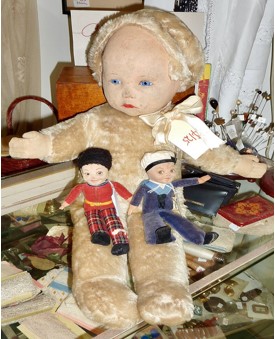 Norah was a successful female entrepreneur. She built and ran her own business when women were expected to be homemakers. She is considered to be the finest English designer of soft toys. She both designed and made toys.
Born in 1893 in Wellington, Norah left school at 14, and studied with the London School of Art through the post.
She started her doll-making career in 1919 with Chad Valley Co. and went on to become one of their chief designers.
In 1926, she opened her own toy factory in Wellington, Victoria Toy Works. The factory initially had six employees, including some family members. At the height of her success, Victoria Toy Works employed around 250 workers.
Norah managed all the designs herself; dolls were often made of cloth such as felt and velvet and represented children, adults, and storybook characters. The manufacturing process involved moulding buckram over a layer of wood, overlaid with felt. The faces were then hand painted on, with a waterproof coating to make them washable. Norah’s dolls were sold in some of the most exclusive stores and Norah designed toys for Harrods’s famous Christmas toy window.
Duri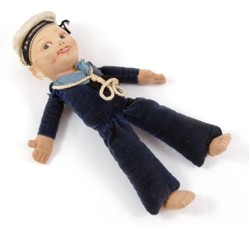 ng World War II Norah made dolls representing characters from the Army, Royal Navy and Royal Airforce, including Harry the Hawk, which were used to raise money for the Royal Air Force Comforts Fund. She also made a number of ‘Jolly Boy’ felt sailor figures, which were sold as souvenirs aboard cruise liners.
By 1941 70% of the company’s toys were exported and many were sold by cruise ships. The Sailor ‘Jollyboy’ was introduced in 1929, it became her most popular doll.
Every doll was individually labelled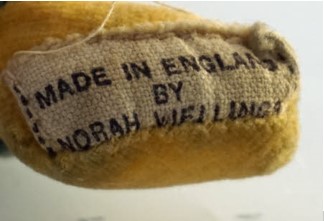
Norah was good at making the most of publicity and selling opportunities. For example: When Queen Mary, wife of King George, visited Shropshire in 1927, Norah presented her with a ‘Cora’ doll, creating a demand for such a doll. She also displayed her designs at the British Industries Fair in London.
For further information see:
https://norahwellingsjournal.blogspot.com/
https://nationalmuseumpublications.co.za/norah-wellings-and-her-novelty-dolls/
https://en.wikipedia.org/wiki/Norah_Wellings
Soroptimists International: SI The Wrekin
SOROPTIMIST INTERNATIONAL IS A GLOBAL VOLUNTEER MOVEMENT
Founded in 1921, Soroptimist International is a global volunteer movement with a network of just under 65,000 club members in 118 countries. Advocating for human rights and gender equality, at the heart of Soroptimist International’s advocacy is its work across seven UN Centres, where our UN representatives ensure that the voices of women and girls are heard. Our membership work on grassroots projects that help women and girls achieve their individual and collective potential, realise aspirations and have an equal voice in communities worldwide
(https://www.soroptimistinternational.org/)