

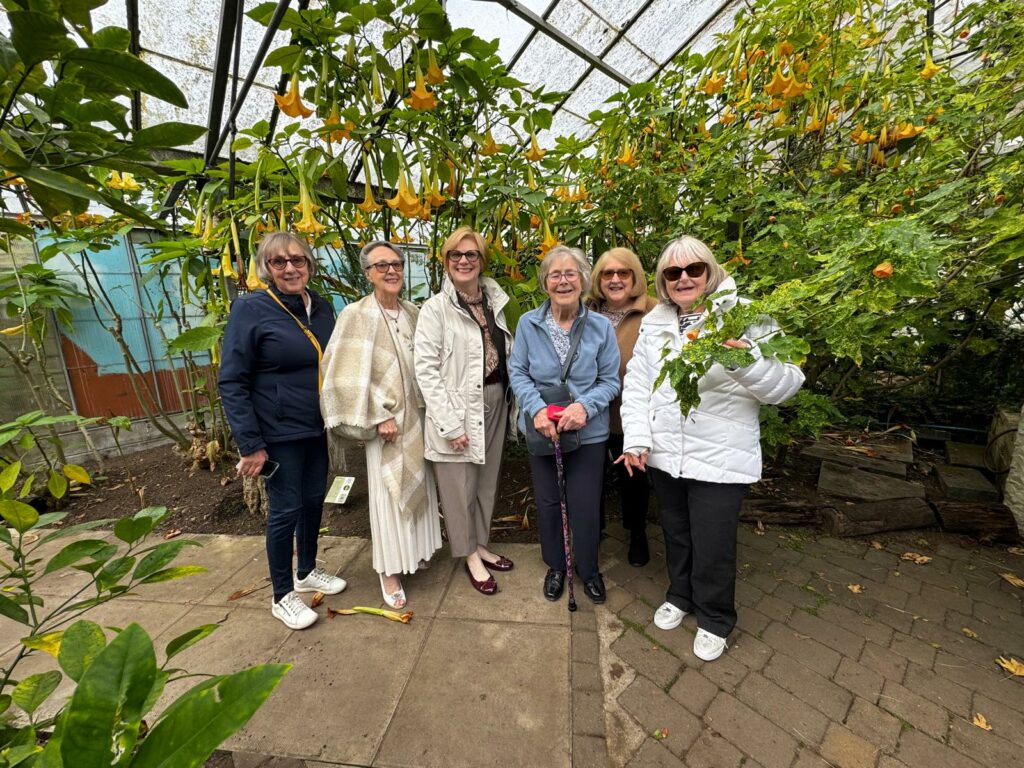
 When our Centenary tree was planted in Manchester’s Alexandra Park, we were given an interesting talk regarding the history of the park and its importance to Manchester. It was one of Manchester’s earliest parks laid out between 1868 and 1870. In an era of smoking chimneys and extensive pollution it was the only green space available to hundreds of workers.
In 1906, a glass house was opened to house an extensive collection of cacti and succulent plants bequeathed by a Manchester born industrialist, Charles Darragh. Over 1600 plants were housed there from his private collection which was said to be rivalled only by the collection in London’s Kew Gardens.
By 1913, militant suffragettes had mounted bombing and arson campaigns across London and the Kew Gardens glasshouses were severely damaged. At the end of 1913, there was a bomb explosion at the Alexandra Park Cactus House and £200 worth of damage (approximately £30,000 in today’s money) was caused. Although police concluded it was the work of militant suffragettes no-one was ever prosecuted, nevertheless the Cactus House was guarded for a year because of its importance. Later, in her diary, militant suffragette Kitty Marion admitted to planting the bomb.
As the collection grew and Manchester’s air quality declined, it was decided to move the cactus collection to Wythenshawe Park in a cleaner, greener setting. The full collection was finally moved there by the 1970’s. Today it is cared for by the Blossom Charity, volunteers and the British Cactus Society.
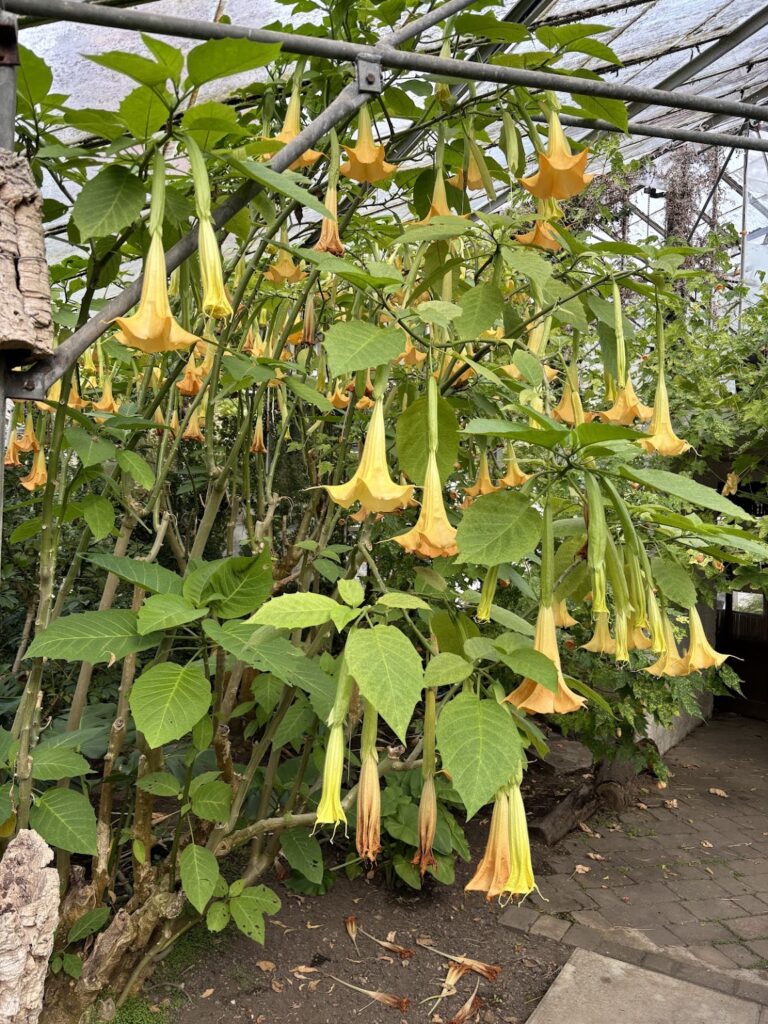
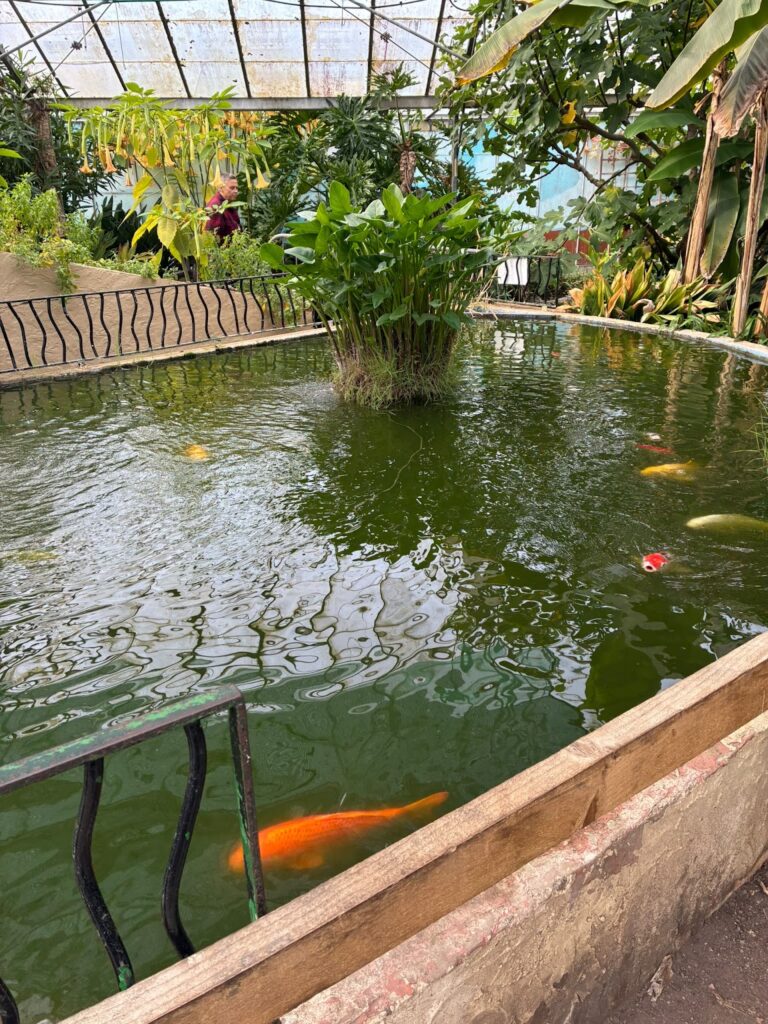
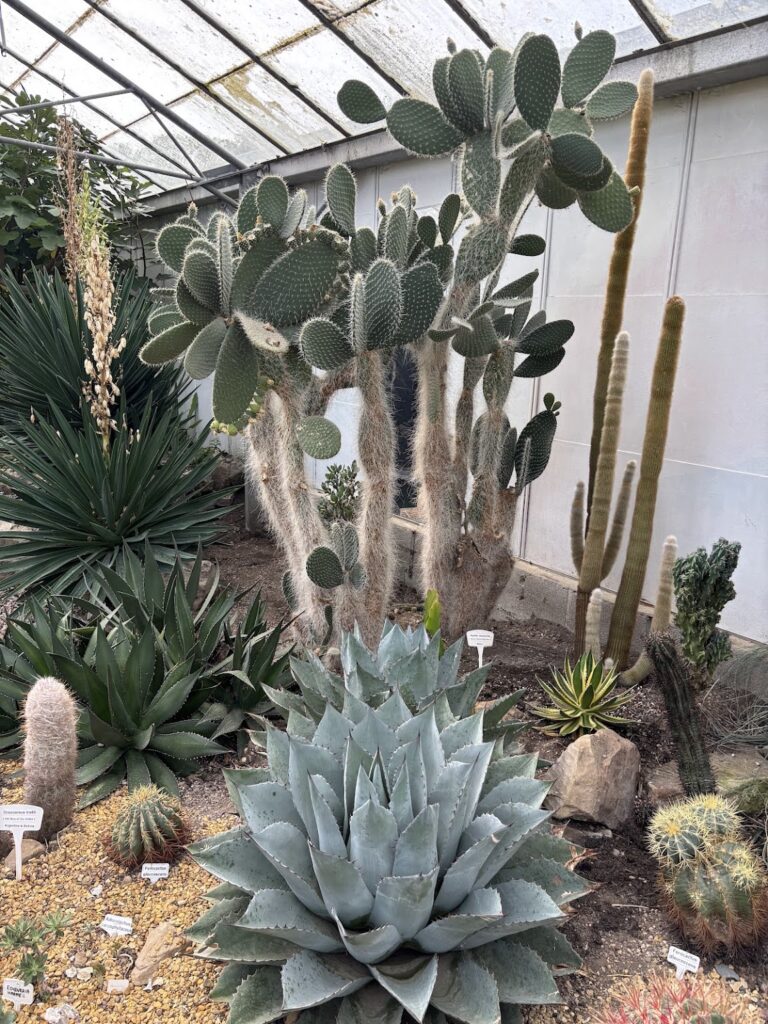
Our walk around the Wythenshawe Cactus Houses was most enjoyable and educational. The connected greenhouses display many and varied cacti – some large and spectacular, some tiny and delicate, in themed zones including a desert area and a tropical walk with koi carp ponds. Well worth a visit!
 Hilary Dodd