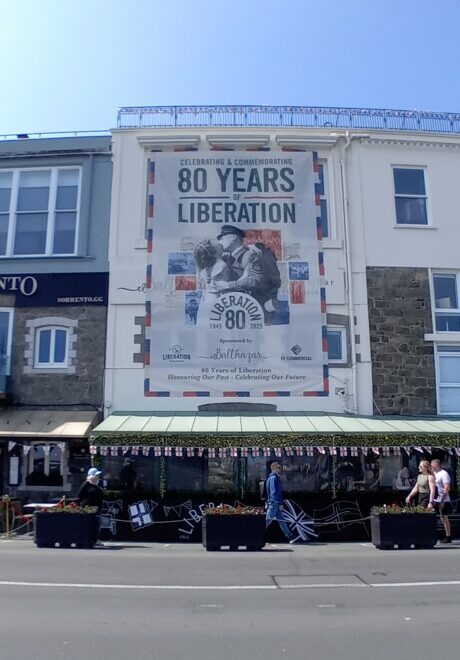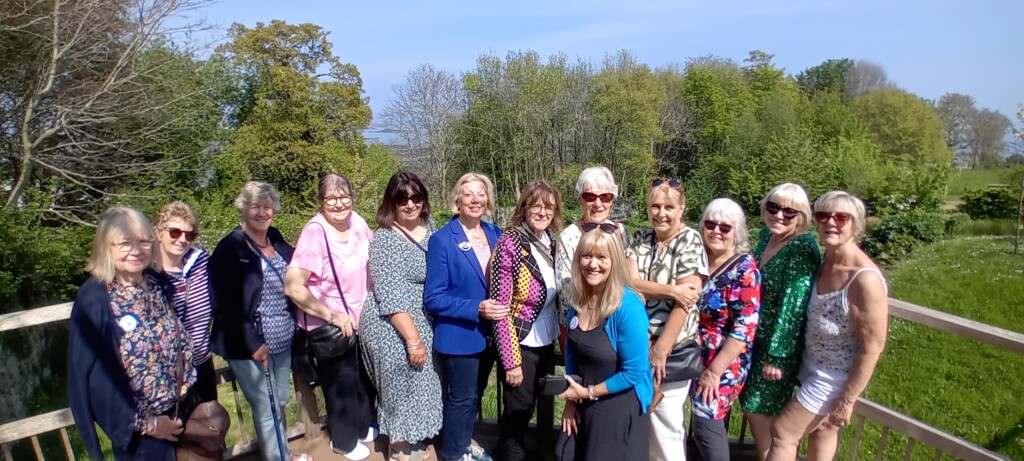

Although VE Day is generally known as 8 May, in the Channel Islands liberation did not happen until 9 May for Jersey and Guernsey and days later for the other islands. A recent trip to Guernsey to celebrate  the 45th charter anniversary of Soroptimist International Guernsey, was an opportunity to see and hear first hand about what the islands had gone through during 5 years of German occupation. Member Julie Blackwell and a friend stayed in Les Cotils, itself an interesting part of the occupation history and where the club meets.
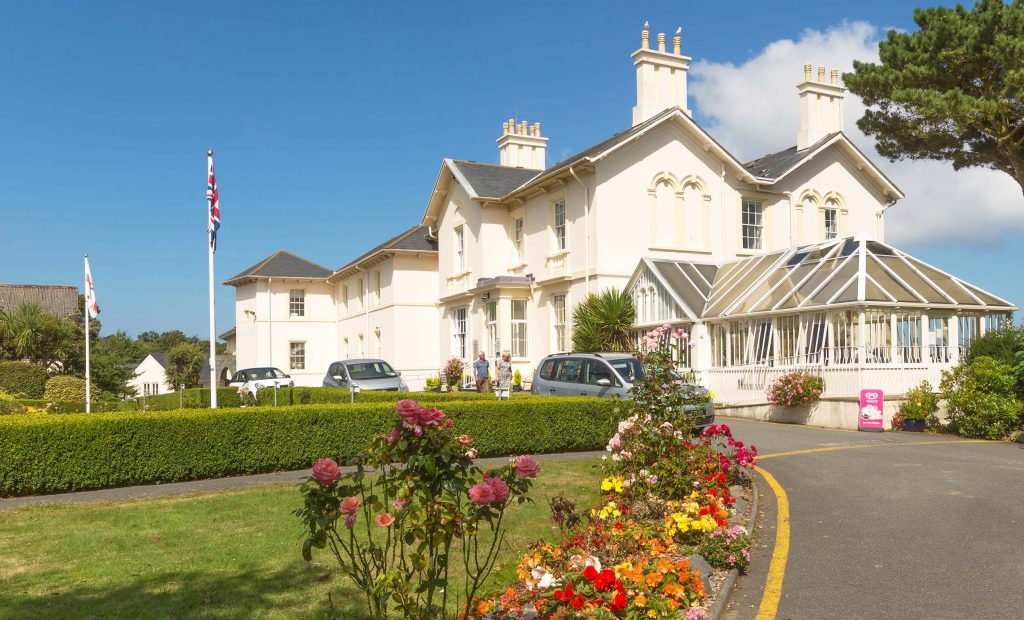 Up until the German occupation of the Channel Islands in July 1940, Les Cotils was being run by an order of nuns, primarily as a school. In addition to this, the nuns ran a farm to supply their needs.
As the occupation by German forces began in 1940 and the children were evacuated, the school became a hospital home, caring for elderly and infirm patients. The authorities decided to use Les Cotils as an annexe to, what was then, the Town Hospital and the patients had to move out.
Immediately after the Liberation from the German forces in May 1945, the patients moved back to Les Cotils. The house has long since recovered, and the grounds and buildin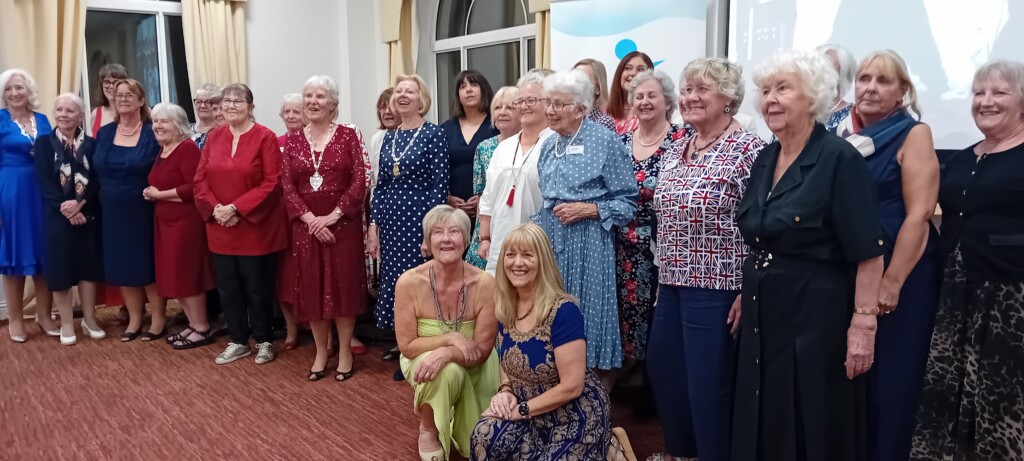 gs gradually restored and developed.
The Soroptimist 45th celebratory dinner was held here on the Saturday night and we heard from an upcoming young guitar musician Rachel Dawson, who has already been on stage with Russell Watson and was off to Nashville the following morning.
The first evening event was held at a charity called GROW, which is a charity Hub where several charities are based, one of them being Paws for Support, training therapy dogs for schools and care homes visits. We were given a demonstration followed by a sumptuous buffet hosted by President Sue.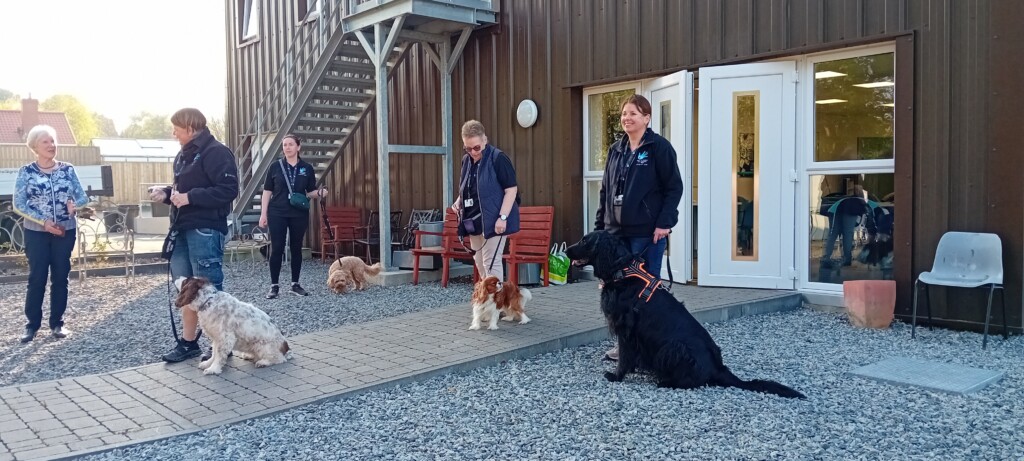
The following morning we had an engaging tour of Guernsey, starting from the Liberation Monument at the harbour, and heard about the hardships and life during German occupation. We visited a timeline exhibition which told of the various events happening during that time. The chilling story of 3 Jewish women who, although they could have evacuated with others, chose to remain and declared themselves to the Germans. They were sent to 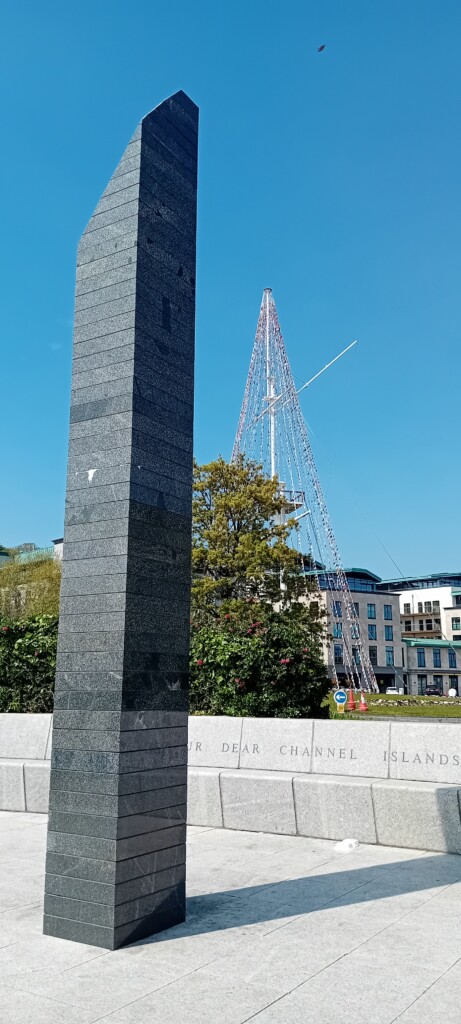 Auschwitz…How children returning after 5 years couldn’t recognise their parents because they were so thin, malnourished and had aged so… During the last few months of occupation the British Red cross sent the SS Vega ship 5 times with supplies to feed the residents. These parcels were so precious they even slept with them to keep the contents safe, the Germans were not allowed these supplies even though they were starving too.
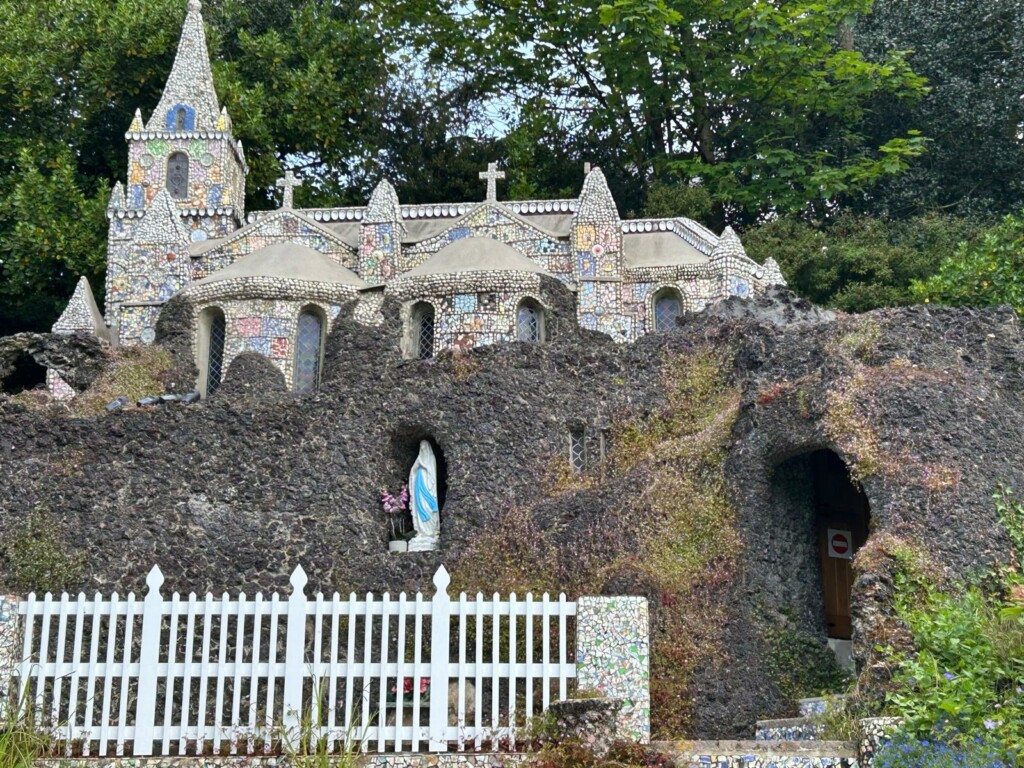
Following on from the walk, we took time to visit other places of interest. Victor 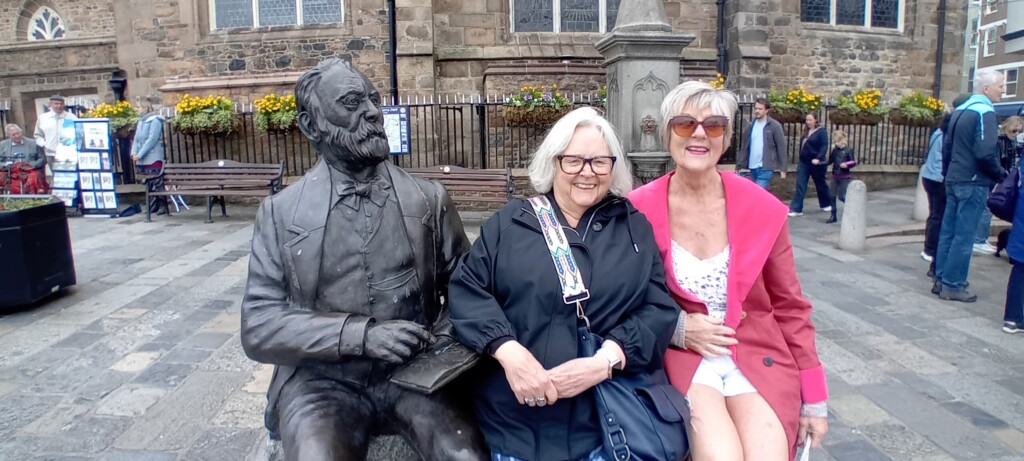 Hugo was a long time resident and finished writing Les Miserables here. The final day we visited the Little Chapel, first built in 1913 and since rebuilt and decorated in mosaics in shells and ceramic, this was also a place visited by occupying German forces. The German Occupatio
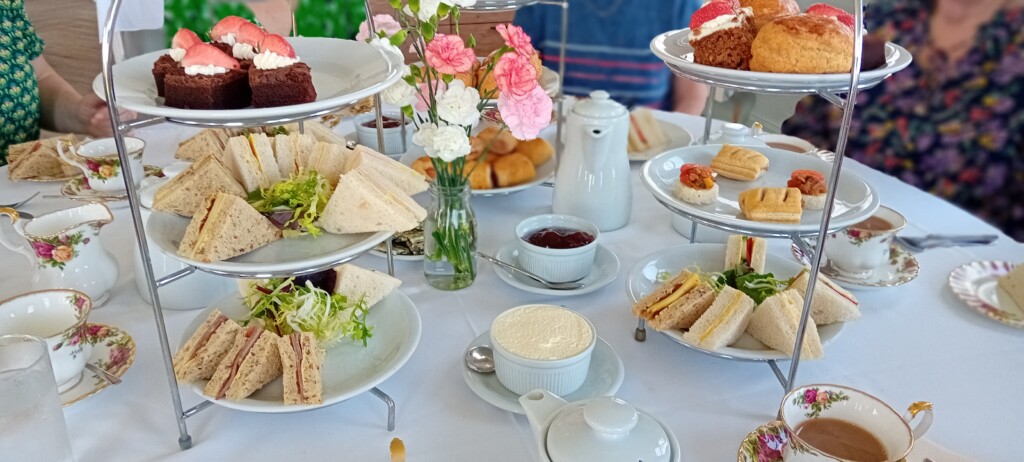
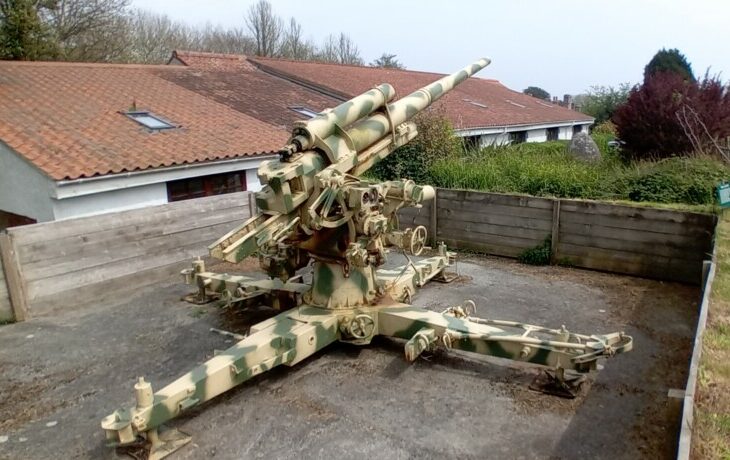
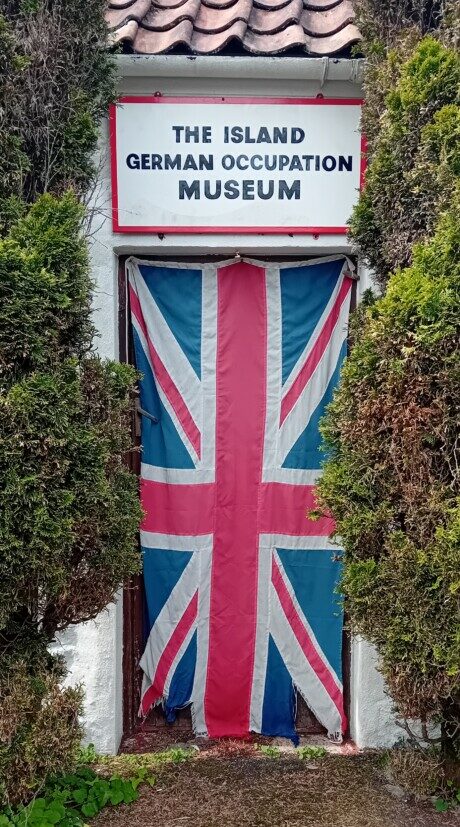 n Museum with its guns was a very visual expression of what the Occupation must have been like. After this eventful morning we finished with an afternoon tea before
  flying back to Southampton.
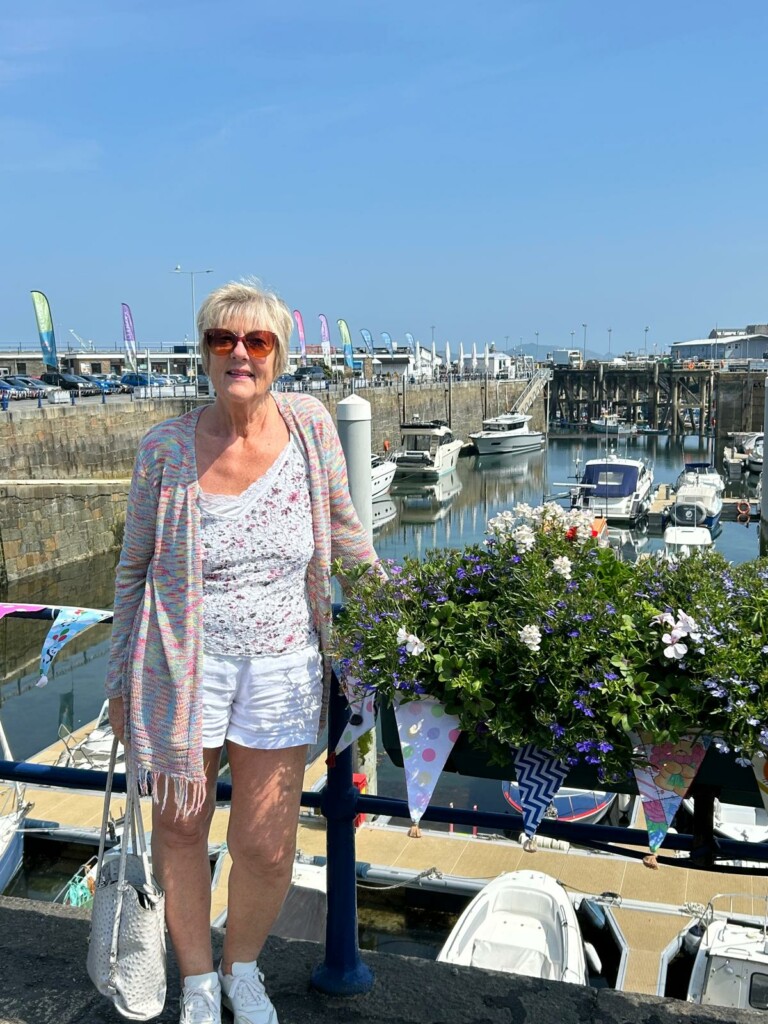
The Harbour and the whole island was decorated in bunting and celebration was clearly building up for 9 May. We left quite humbled from what this community and other islanders had suffered. One of the members of the Guernsey club was June Money, a child of 9 in 1940. She was being interviewed on Radio 4.