

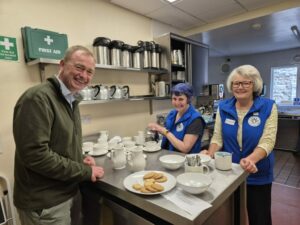
 The Soroptimist Grange-over-Sands Mental Health and Wellbeing event brought together powerful personal stories, practical support services and inspiring examples of hope, resilience and community connection.
The day opened with Tim Farron, who set the tone with a thoughtful and challenging introduction. Tim spoke about how society is becoming more comfortable talking about mental health, whilst at the same time creating conditions that increasingly damage it, particularly for young people. Drawing on his work supporting families in crisis, he stressed the importance not only of responding to serious mental ill health, but of building resilience before people reach breaking point. He highlighted the vital role that community, outdoor activity and human connection play in emotional wellbeing, warning tha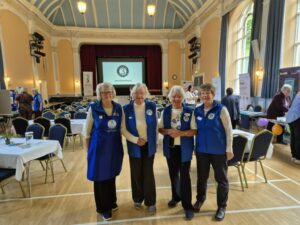 t overprotecting younger generations may have left them less equipped to cope with adversity. Comparing physical first aid with “mental health first aid”, Tim encouraged everyone to recognise signs of emotional struggle and to step in early, emphasising that education, policy and strong communities all have a part to play in creating healthier and more resilient societies.
We then heard about the remarkable work of Andy Airey and the “Three Dads Walking” campaign. Andy shared how three bereaved fathers turned unimaginable personal loss into a national movement for suicide awareness and prevention. Their walks across the UK have raised awareness of young suicide, encouraged people to speak openly about mental health, and supported the work of PAPYRUS in providing help for vulnerable young people.
Sinead McCann spoke about the work of Growing Well at Low Sizergh Barn, where horticulture and the outdoors are used to support mental health recovery. She highlighted how meaningful activity, nature, routine and social connection can help people rebuild confidence, self-worth and wellbeing in a safe, supportive environment.
Nell Chapman discussed the work of Every Life Matters, focusing on suicide prevention, reducing stigma and creating suicide-safer communities across Cumbria. The talk reinforced the message that every conversation matters and that support, training and awareness can help save lives.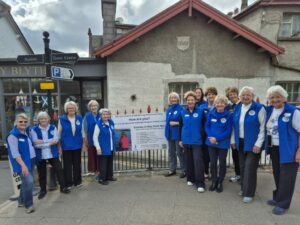
Alex Addison shared the story of the Borderline Challenge completed with her brother Hugh Addison, speaking about determination, resilience and using challenge and shared experience to promote positive mental health and raise awareness in rural communities.
Lynsey Lawson spoke movingly about grief counselling through St Mary’s Hospice, outlining the many different types of bereavement support available for individuals and families. Her talk highlighted the importance of compassionate listening, tailored support and allowing people space to grieve in their own way.
The day concluded with bereavement nurse Danielle Sadler, who spoke thoughtfully about bereavement, grief and the physical impact loss can have on the body and mind. She explained how grief can place people into a constant state of stress or survival, affecting heart rate, blood pressure and emotional wellbeing. Danielle described yoga and breathwork as gentle ways of creating steadiness and calm, helping people reconnect with themselves and better understand how they are feeling. She beautifully compared the practice to allowing “the sediment in a glass of muddy water to settle”, giving moments of greater clarity amidst the chaos of grief. Danielle ended by guiding attendees through a simple breathing practice, reminding everyone that small moments of peace, grounding and self-compassion can play an important role in healing.
In her closing remarks, Sue reflected on how the event had deepened understanding of the emotional impact of mental health challenges and highlighted the remarkable number of organisations, volunteers and support groups working across the community to offer help in many different ways. She reminded everyone that mental health should be valued equally with physical health in order to live healthy and fulfilled lives. Sue thanked the speakers, stallholders, sponsors and volunteers who made the day possible, and encouraged attendees to continue the conversation, seek support when needed, and look after both themselves and one another.