

We had a really interesting Club Meeting on Monday 11 May. Due to lots of different reasons many Club members were unable to join us, so hopefully this “blog” will help them not to feel too left out.
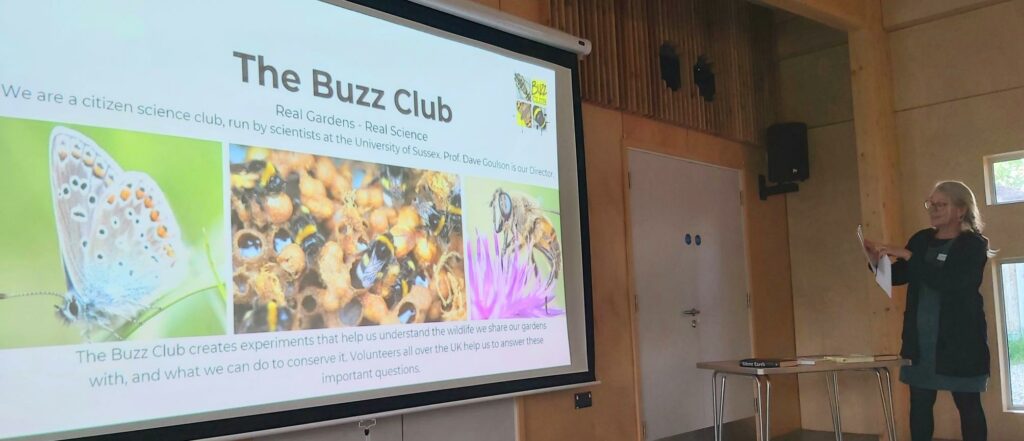 The meeting started with Anna Barrett telling us about Citizen Science projects, and The Buzz Club in particular. Then after coffee Helen Byrne led us through a women’s health quiz. We also caught up on news of members and did some forward planning for the Club’s Programme.
Citizen Science and The Buzz Club – Anna Barrett
Anna started by showing us a very short video by Professor David Goulson – click here to view https://www.youtube.com/watch?v=zFpenTlR95U&feature=youtu.be – explaining why it is so vital to support our bees and pollinators and talking about his new book “A Buzz in The Meadow”. He is the Director of The Buzz Club – which is a citizen science club, run by scientists at the University of Sussex. The principal behind citizen science is to use the power of collaborative volunteer research to explore or collect huge data sets. These are ones that researchers simply couldn’t manage by themselves, and that computers aren’t up to the task of analysing. The Buzz Club runs real science projects in real gardens. You can download the short presentation here: The Buzz Club Presentation 11 May 26
Anna is participating the the Big Bee Hotel Experiment https://www.thebuzzclub.uk/thebigbeehotelexperiment. Bee hotels provide a ‘nesting habitat’ for solitary bees. The project is investigating what bees favour in solitary bee hotels – which designs seem to work the best, and how to make them optimal for as many different bee species as possible. Finding this out will help us conserve pollinators in our gardens across the UK and help protect them against threats such as climate change! She showed us a photo of the bee hotel in her garden which already had two chambers in use, so she is waiting for the bees to hatch now. Anna is also hoping to get involved with Pet Waste Watch.
There were lots of questions, and Anna had brought books and more information along with her. There is information in the presentation slides (see above) about how to get involved.
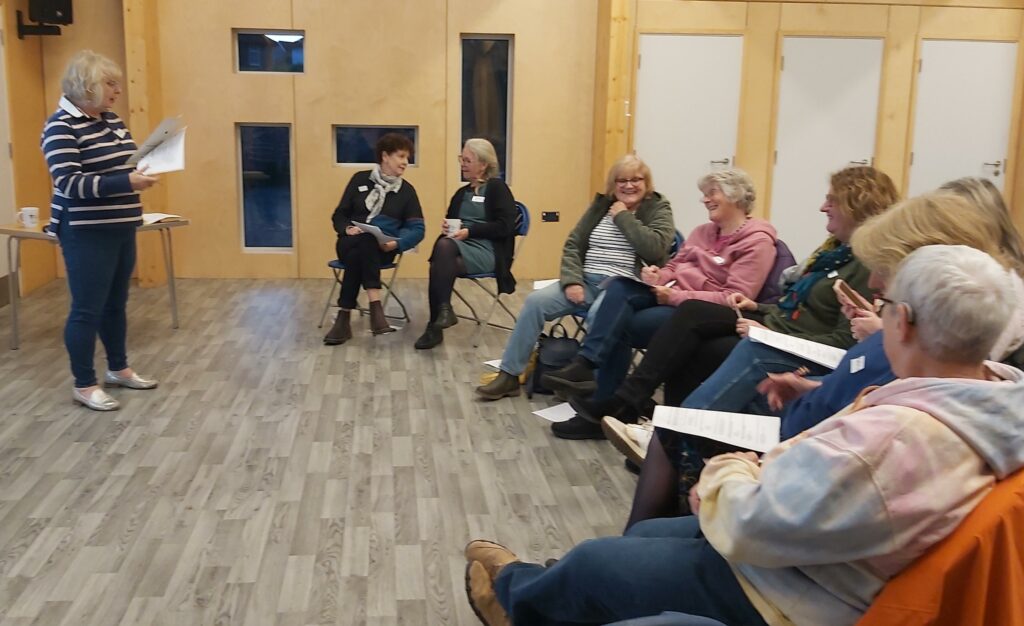 Focus on Women’s Health – a quiz – Helen Byrne
In the run up to the Club’s 70th anniversary in April 2027, we want to spend some time thinking about women’s issues by looking back at the history and looking forward to what still needs to be done. Women’s Health was the topic for this session at this meeting. The quiz that Helen had put together and the discussions she led helped us to focus on this key area for Soroptimists.
The quiz targets key milestones and historical changes in women’s health in the UK, highlighting shifts in care from earlier times to today’s NHS initiatives. It covers landmark legal changes, reproductive rights, and evolving medical understanding.
The group broke into twos and threes to discuss the questions and possible answers.
You can download the quiz here History of Womens Health Questions and the notes that Helen produced for the discussion about the answers are here: Women’s Health History Quiz for SISTA 11 May 2026 Answers and Background
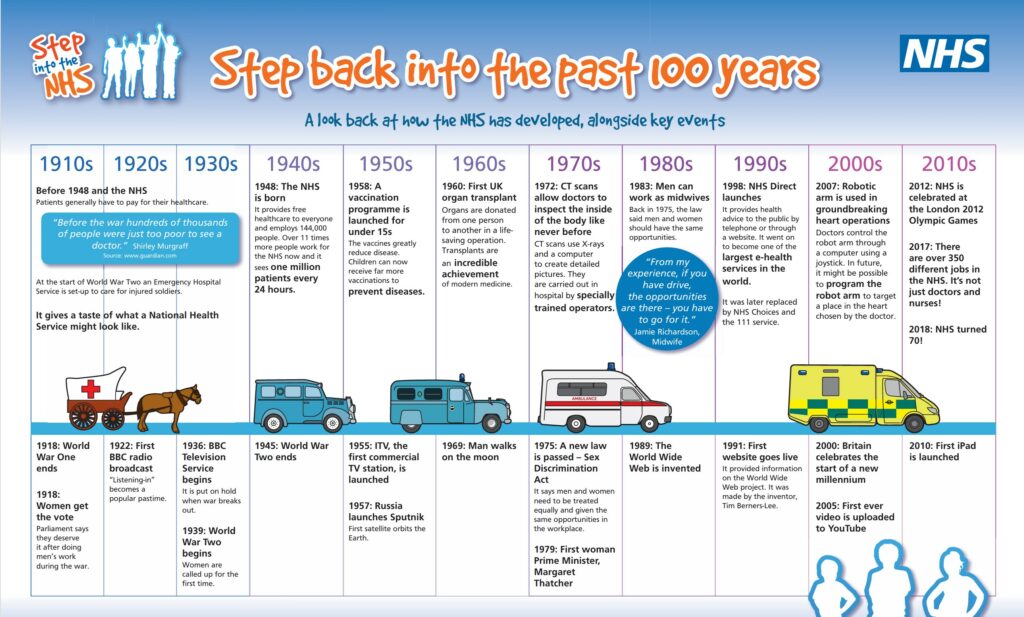 Key Historical Milestones
19th Century: High mortality in childbirth; limited women in medicine.
1918/1928: Women get the vote, allowing political focus on health.
1948: Formation of NHS brings free healthcare, though specialized women’s services developed slowly.
1960s/70s: Reproductive revolution (The Pill and Abortion Act).
The current situation – The NHS Women’s Health Strategy for England
The strategy was refreshed in 2026 to tackle “medical misogyny” and is treated as a 10-year, evolving commitment to ensure women’s voices shape their care.
It aims to tackle gender health disparities (including for ethnic minorities and disadvantaged groups) by putting women’s voices at the heart of care (addressing findings that 15% of women feel rarely or never listened to by health professionals), reducing diagnosis delays, and improving access to services.
Key priorities include
- expanding one-stop “Women’s Health Hubs” (community-based “one-stop clinics” that bundle services like gynaecology, contraception, and menopause support to reduce waiting times for gynaecology services and improving access to contraception and abortion services.)
- improving menopause care with other focuses on menstrual health, fertility, pregnancy loss, and gynaecological conditions
- enhancing mental health support
- enhancing research (tackling the lack of evidence by introducing gender-balanced research guidelines.
- a change in perspective by taking a Life-Course Approach: focusing on health needs across a woman’s entire life, rather than just disease-specific interventions.
Recent Updates and Actions
Digital Upgrades: The NHS website has been updated to include a dedicated women’s health area and a new HRT hub, making it a primary source of information.
The discussions that took place were excellent. Looking back enabled us to see how far we have come, but looking at the current situation reminds us why there is so much to be done to attain equity for women’s health in the UK, and why Soroptimists need to continue to tackle the issue.